The Teachings · Mind, Body & Spirit
Adapted from the teachings of
Grandmaster Kyong Sik Song
A reflection on finding balance in training and everyday life.
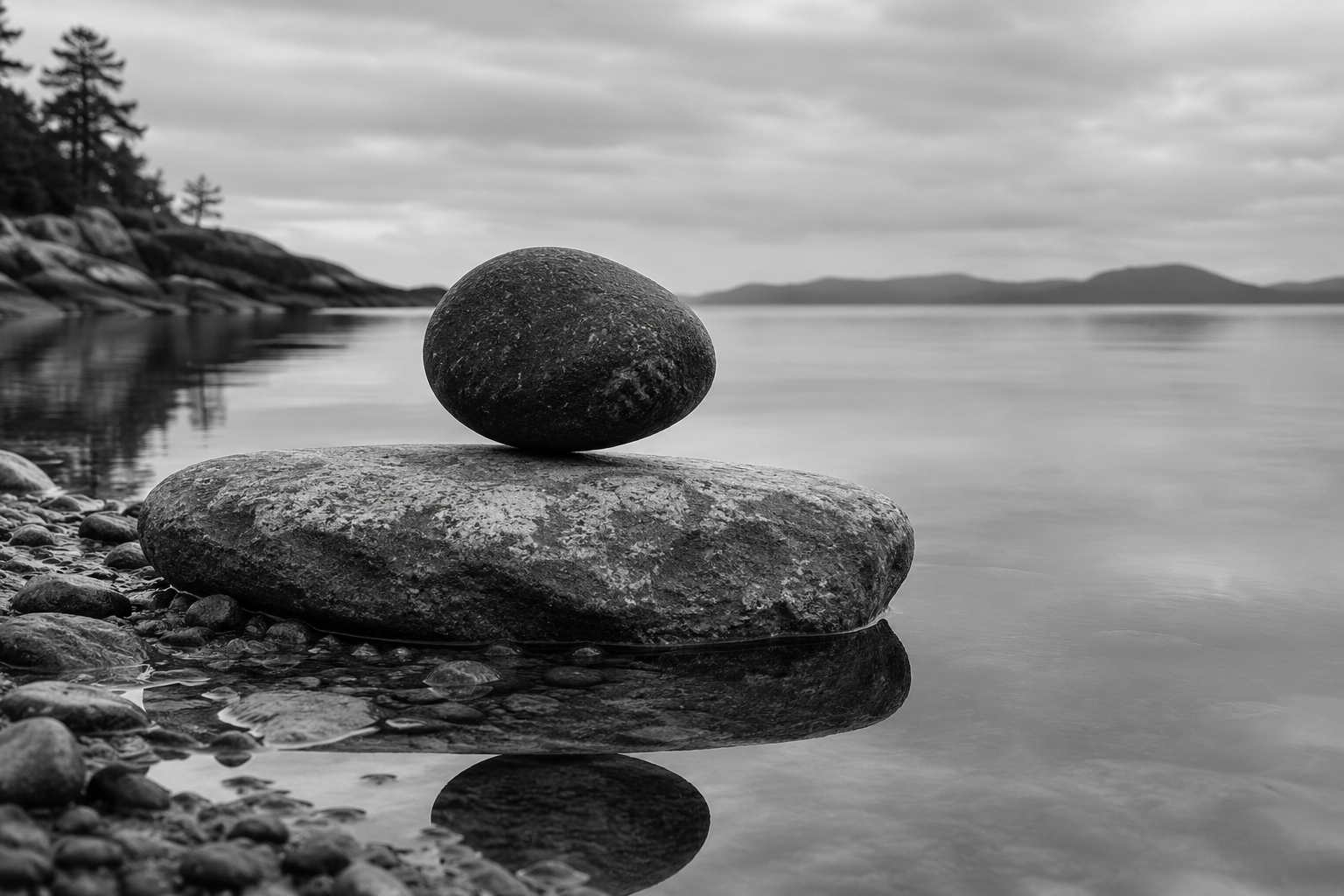
Balance is the key to a healthy life. Not too much, not too little … just right!
If I had to choose one word to guide a healthy life, I would choose balance. Water is a simple example. We need it every day, yet even with something so essential, the amount matters. What is enough on an ordinary day may feel quite different after a long practice.
We can see the same principle in martial arts. When you move from one stance to another, your weight shifts. You find your footing as you move. Life asks us to do much the same thing. Our circumstances change, and we have to pay attention to what needs more from us and what needs less.
Mind
Think about a moment when someone corrected you and your first impulse was to explain yourself. A pause can give you time to hear the correction and try it. Maybe you still have a question afterward, but now you can ask it from experience.
Joy, anger, grief, and fear all have a place in life. When an emotion fills our attention, it can shape how we read a situation and what we do next. In practice, you can begin by noticing the moment your attention leaves the movement and goes to the mistake you just made. Take a breath, settle into your stance, and give the next repetition your full attention. The same patience can serve you in a difficult conversation.
Body
There is a difference between a sprint and a stroll. Both can take you down the same road, but each asks something different of the body. The same is true in training. A hard session can challenge your endurance. A slower session gives you time to feel when your weight shifts, when your shoulders tense, and where your posture changes as you tire.
There is a place for pushing your limits. Preparation and recovery are part of that effort. Ask yourself what you want from today’s practice. If you are working on a transition, slowing down long enough to feel where you lose your footing may teach you more than repeating it at full speed. Once you understand the movement, you can bring that understanding back into a faster practice.
Nutrition
Balance at the table begins with paying attention to what we eat over time. When we have the choice, we can make room for a variety of foods we enjoy, including fruits, vegetables, nuts, and seeds. People have different choices about what they can buy, prepare, and share. A meal that works for one household may be out of reach for another.
There is room for dessert. Enjoy it. Then consider how it fits alongside everything else you eat in the course of a week. That longer view gives a single meal its proper place. It also makes it easier to see which habits you want to keep and where you have room to make a change.
Environment
Our surroundings shape the way we live. Clean air, drinkable water, and a safe place to live are part of that foundation. So are the relationships we come home to and the people we spend time with. Consider how you feel after a conversation with someone who listens carefully, and how that differs from a day spent in constant conflict.
Some parts of our environment are beyond our control. Start with what is within reach. It might be clearing enough space to practice a form at home or making time for a person whose company helps you feel at ease. Notice what your surroundings ask of you each day and what they give you in return.
Make Balance a Priority
Some days will call for more effort. Others will call for rest. A family responsibility, a demanding week at work, or a stretch of hard training can shift how we spend our time. When the pressure eases, we have a chance to notice what has received too little attention and give it some room again.
In martial arts, you practice finding your footing each time you shift your weight. You can approach daily life with the same attention. Think about one area where you feel pulled too far in one direction. What would help you find your footing again?